
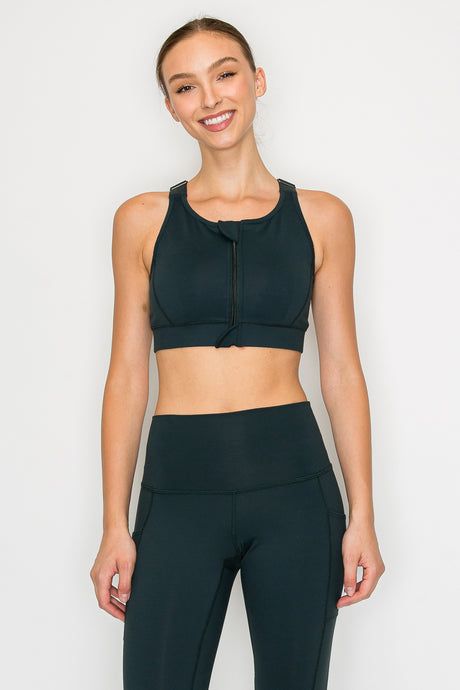
A front closure bra has become a practical choice for many active people. It opens from the front, which makes it easier to put on and take off. Over time, this style has moved from a niche option to a common part of sportswear.
In 2026, design updates focus on comfort, ease, and fit. Brands are paying attention to how people actually move, train, and recover. This guide explains how the front closure athletic bra has changed and what feels new today.
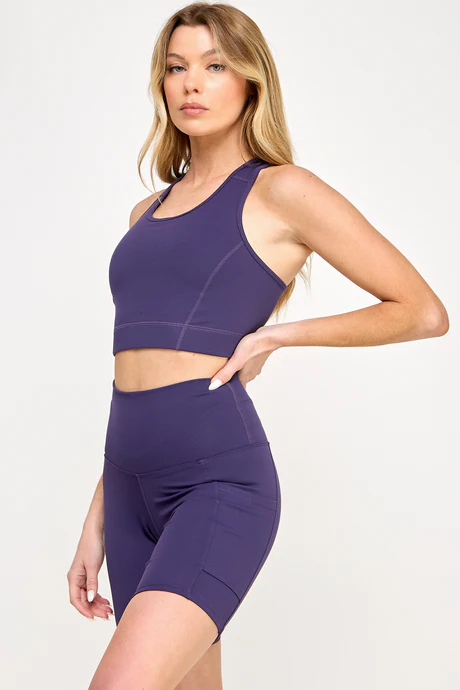
Why the Front Closure Athletic Bra Gained Popularity
Traditional sports bras pull on over the head. That can feel tight, especially after a workout. A front closure bra removes that struggle.You get:
Easier wear and removal
Less shoulder strain
Faster changes during workouts
These benefits made the design popular with beginners and experienced athletes. Over time, feedback shaped better versions.
Early Designs and Their Limits
Early front closure bras solved one problem but created others. Closures felt stiff. Support was uneven. Some designs caused pressure at the center.
Common issues included:
Hard clasps
Limited adjustability
Poor weight balance
These problems pushed designers to rethink structure and materials.
What Changed by 2026
In 2026, updates focus on balance. Support no longer depends only on tightness. Structure and fabric now share the work.
Design improvements include:
Softer closure systems
Better internal support panels
Even pressure distribution
These changes reduce strain and improve comfort during long wear.
Smarter Front Closure Systems
Closures are no longer bulky. Many use low-profile hooks or smooth zippers. These sit flat against the body.
Modern closure updates offer:
One-hand operation
Reduced skin contact
Secure locking during movement
You get support without constant readjustment.
Fabric Improvements That Matter
Fabric choice shapes how a bra feels. In 2026, materials focus on breathability and stretch control.
Common updates include:
Moisture control layers
Light compression zones
Faster drying surfaces
These fabrics keep you comfortable during training and recovery.
Better Fit Through Adjustability
Fit varies across body types. New designs allow more fine-tuning without complexity.
You may see:
Adjustable front panels
Flexible underband tension
Stretch zones that adapt to movement
This helps you get a secure feel without over-tightening.
Support Without Bulk
Support no longer means thick padding. New internal designs guide movement instead of blocking it.
Support features now include:
Internal mesh panels
Side stabilization zones
Balanced lift distribution
This keeps motion controlled while staying lightweight.
Front Closure Athletic Bra for Different Activities
Support needs change with movement. One style does not suit every workout. In 2026, designs are matched more closely to how you train.
You will find options suited for:
Low-impact workouts like walking or stretching
Moderate training such as gym sessions or cycling
High-movement sessions like running or sports
This makes selection more practical. You choose based on motion and intensity. The bra supports your activity without feeling restrictive or overbuilt.
Improved Comfort for Long Wear
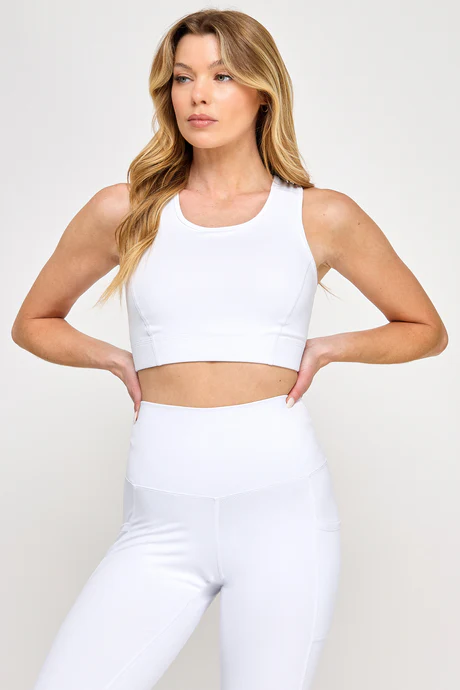
Comfort now extends beyond active use. Many people wear athletic bras for work, travel, or long days. Designs now reflect this shift.
New designs focus on:
Smooth seams that reduce rubbing
Reduced edge pressure around the band
Flexible structure during rest
These updates limit fatigue and irritation. The bra feels easier to wear for hours. Long wear stays comfortable without constant adjustment.
Inclusive Sizing and Shape Awareness
Sizing has improved in recent years. Brands now focus on how bodies vary, not just on numbers. This leads to better fit across different shapes.
Updates include:
Wider band ranges
Cup depth options
More inclusive size charts
These changes reduce guesswork when buying. Fit feels more accurate from the first try. You spend less time adjusting and more time moving comfortably.
Style Without Distraction
Design looks cleaner in 2026. Focus stays on function rather than decoration. This shift supports comfort and daily use.
You often see:
Simple color options
Minimal branding
Clean lines
These choices reduce visual clutter and improve wearability. Clean design also works better under clothing. The bra feels practical, not busy, which helps you focus on movement instead of adjustment.
Care and Durability Improvements
Durability matters when bras are worn often. New materials hold shape better.
Care updates include:
Better stretch recovery
Stronger stitching
Fabric that resists sagging
This extends lifespan without extra care steps.
How to Choose a Front Closure Athletic Bra in 2026
Choosing the right bra starts with how you plan to use it. Daily wear, light workouts, and high-movement activities all need different support. Comfort should stay consistent from start to finish.
Focus on:
Your activity level and movement range
How the front closure feels when you bend or stretch
Fabric that stays breathable and smooth on skin
Before deciding, test basic movements like raising your arms or twisting. The bra should stay secure without pressure points. A good fit feels stable, not restrictive.
Common Mistakes to Avoid
Small choices can affect comfort more than you expect. Many issues come from fit and daily use habits. Paying attention early helps avoid long-term discomfort.
Avoid:
Closures that feel tight or press into the chest
Heavy padding for regular or long wear
Styles with no adjustable straps or bands
These mistakes can restrict movement and cause irritation over time. Adjustability allows the bra to adapt as your body moves. Comfort should always guide your final choice.
The Future Direction of This Design
The front closure athletic bra continues to evolve with a clear focus on how the body moves. Designers now rely on real movement testing rather than static fit checks. This helps reduce pressure points and improve long-term comfort.
Expect:
Even lighter materials that reduce bulk
Smarter closure placement to avoid center pressure
More flexible support zones that adapt during motion
Future designs also aim to reduce hand strain when opening or closing the bra. Closures are becoming smoother and easier to manage after workouts. Overall, design is moving toward ease, balance, and wearability that lasts through both activity and recovery.
Conclusion
The front closure athletic bra in 2026 reflects how activewear has matured. Design now supports real movement, not just appearance. Comfort, adjustability, and balance guide every update.
As sportswear continues to evolve, practical design choices matter more than trends. Brands that focus on function help users move with confidence. For those interested in thoughtful design and active lifestyle insights, White Island Charter highlights how comfort and planning shape better experiences, whether on land or water.